PROTOCOL APP FULL DEMO
PROTOCOL APP FULL DEMO

Protocol 1000
The Hennepin County Emergency Medical Services (EMS) system refers to a dedicated group of professionals working together to provide emergency medical services to patients and communities within Hennepin County. The EMS system is a dynamic mix of private and public providers including:
The Hennepin County Board of Commissioners makes general policy decisions affecting the EMS system in response to recommendations from the Emergency Medical Services Advisory Council. The Hennepin County EMS Planning and Regulatory Unit (EMS Unit) is a division of the Human Services and Public Health Department and provides planning support and regulatory oversight for county's EMS system and assures coordinated emergency response to 911 calls.
The Emergency Medical Services Council was established in 1976 to recommend to the Hennepin County Board of Commissioners and other appropriate authorities activities and processes necessary for the coordination and improvement of prehospital emergency services within Hennepin County. Communities of the council include:
Five Advanced Life Support (ALS) ambulance services provide emergency medical care to Hennepin County residents. The Minnesota Emergency Services Regulatory Board (EMSRB) designates Primary Service Areas (PSAs) for ambulance service operation within the state of Minnesota. The five services which are authorized by the EMSRB to operate within Hennepin County are:
ALS protocols and guidelines for Hennepin County's EMS system are reviewed and re-issued on an on-going basis. New protocol proposals and/or protocol revision proposals are reviewed by the Ambulance Service Personnel Subcommittee, the Ambulance Medical Directors Subcommittee and the Medical Standards Committee. The Emergency Medical Services Advisory Council is the final reviewing authority for protocol changes.
Individuals interested in deveolping new ALS protocols and/or guidelines or interested in revising current ALS protocols and/or guidelines may request a Protocol Revision Form from the public health EMS Unit at chd.ems@hennepin.us, by calling 612-348-6001, or by visiting our website at www.hennepin.us/ems (NOTICE).
AUTHORITY
Each of the ambulance services operating a Primary Service Area (PSA) within Hennepin County has an ambulance service medical director. Per MN Statute 144E.265, Subd. 2, "Responsibilities of the medical director shall include, but are not limited to:
The policies and protocols in this document represent the collective medical expertise and authority of the medical directors for the five ALS ambulance services operating PSAs within Hennepin County. If any conflict exists between a service specific policy or protocol and a system policy, paramedics shall follow their serivce policy.
Guidelines
Protocol 2001
Guidelines
Protocol 2010
Guidelines
Protocol 2020
Guidelines
Protocol 2030
Guidelines
Protocol 2040
Guidelines
Protocol 2050
Guidelines
Protocol 2060
Guidelines
Protocol 2070
To define and establish guidelines to be followed by prehospital care providers, when a patient refuses medical evaluation, treatment and/or transport.
Adult: Any person at or greater than the age of 18 years.
Minor: Any person who has not achieved the age of 18 years.
Minor not requireing parental consent: Any minor who -
Request for Evaluation: A request for evaluation can be made by any individual for any reason. This request can be made by family members, friends, first responders, law enforcement personnel, or Ridgeview Ambulance personnel. All requests for evaluation will be honored by Ridgeview Ambulance Service and will include a complete medical assessment appropriate to the provider's level of care.
Emergency Condition: A condition or situation (including severe pain) in which an individual had an immediate need for medical attention, such that the absence of medical attention could place one's health (or unborn child's health) in jeopardy.
Competent: The patient is alert and oriented and has the capacity to understand the circumstances surrounding his/her illness or impairment and the risks associated with refusing medical evaluation, treatment and/or transport.
Refusing Care Against Medical Advice (AMA): A competent individual who is determined by pre-hospital providers to have an emergency condition, who has been advised of this condition and the risks/possible complications of refusing care, and still declines care.
Declining Treatment or Transportation: A competent individual (not minor) who is determined by pre-hospital providers to not have an "emergency condition" (as defined above,) who has been offered treatment and/or transportation with an explanation of the associated risks and benefits of this care and still declines treatment and/or transportation.
Transport Hold: An individual who is determined by law enforcement personnel or on-line medical control physician (health officer) to be in danger of harming himself/herself or others if not immediately restrained and needs transport to a medical facility for further evaluation.
All patients for whom a request for evaluation has been made shall be offered medical evaluation and or transport by Ridgeveiw Ambulance personnel.
Criteria for refusing care -
Documentation Checklist
▢Complete Vital Signs
▢Mental Status -
▢Focused physical exam
▢Provider impression
▢Plan offered to patient.
▢Attempts to influence decision.
▢Patients verbal understanding of condition.
▢Potential risks/complications of refusal and patients verbalization of understanding
▢Any advice/forms given to patient
▢Patient signature or that of witness if refused.
▢Discussion with medical control.
Guidelines
Protocol 2080
Determination of patient disposition should be based on the following criteria:
Guidelines
Protocol 2090
Guidelines
Protocol 2100
Guidelines
Protocol 2110
Guidelines
Protocol 2120
Patients identified with acute myocardial infarctions, as evidenced by ST elevation (STEMIs), should receive timely transportation to a Level I Cardiac Care Facility per the EMS provider STEMI/Code AMI criteria. EMS Provider/STEMI Code AMI inclusion criteria includes:
Guidelines
Protocol 2130
Patients identified with acute cerebral vascular accident (CVA) per the Adult Stroke (CVA) protocol should receive timely transportation to the most appropriate designated acute stroke ready hospital, primary stroke center, or comprehensive stroke center.
Guidelines
Protocol 2140
Guidelines
Protocol 2150
If the patient has a weapon:
Guidelines
Protocol 2160
General Adult
Protocol 3010
General Adult
Protocol 3020
For all diabetic hypoglycemic patients refusing transport:
General Adult
Protocol 3030
General Adult
Protocol 3040
Not every patient requires an IV. When indicated, intravenous fluid therapy should be administered in accordance with the following guidelines:
General Adult
Protocol 3050
To provide relief of pain when indicated. This protocol is NOT to be used in cases where the patient:
Indications for use of Pain Management Protocol:
For patients experiencing pain outside the above listed indications consider:
PROCEDURE
OR
General Adult
Protocol 3060
OR
Adult Trauma Protocols
Protocol 3110
Adult Trauma Protocols
Protocol 3120
Adult Trauma Protocols
Protocol 3130
Adult Trauma Protocols
Protocol 3140
Adult Trauma Protocols
Protocol 3150
Adult Trauma Protocols
Protocol 3160
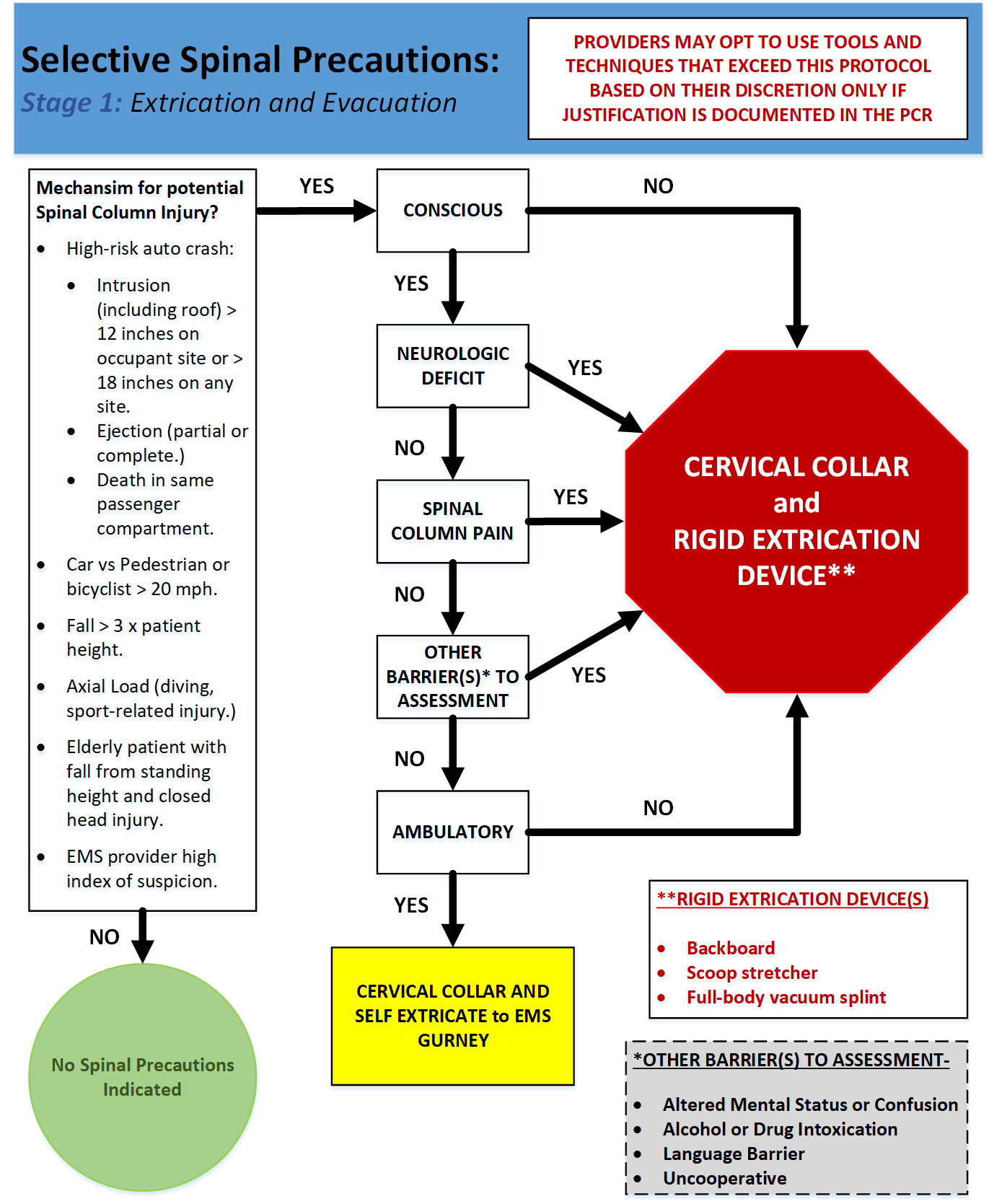
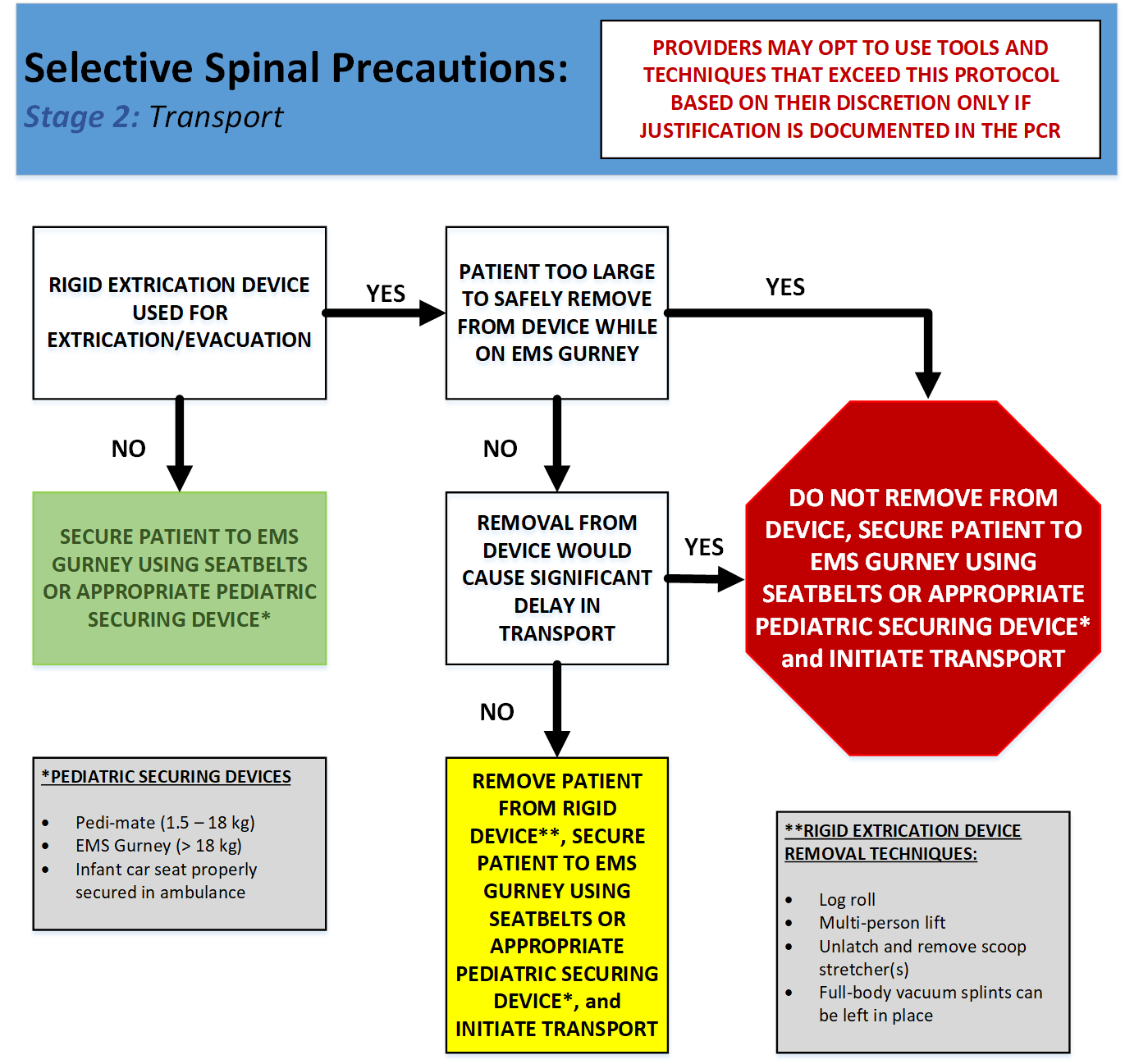
Adult Cardiac Protocols
Protocol 3210
Adult Cardiac Protocols
Protocol 3220
OR
Adult Cardiac Protocols
Protocol 3230
Adult Cardiac Protocols
Protocol 3240
OR
Adult Cardiac Protocols
Protocol 3250
For post-cardiac arrest Return of Spontaneous Circulation (ROSC):
Adult Cardiac Protocols
Protocol 3260
Adult Cardiac Protocols
Protocol 3270
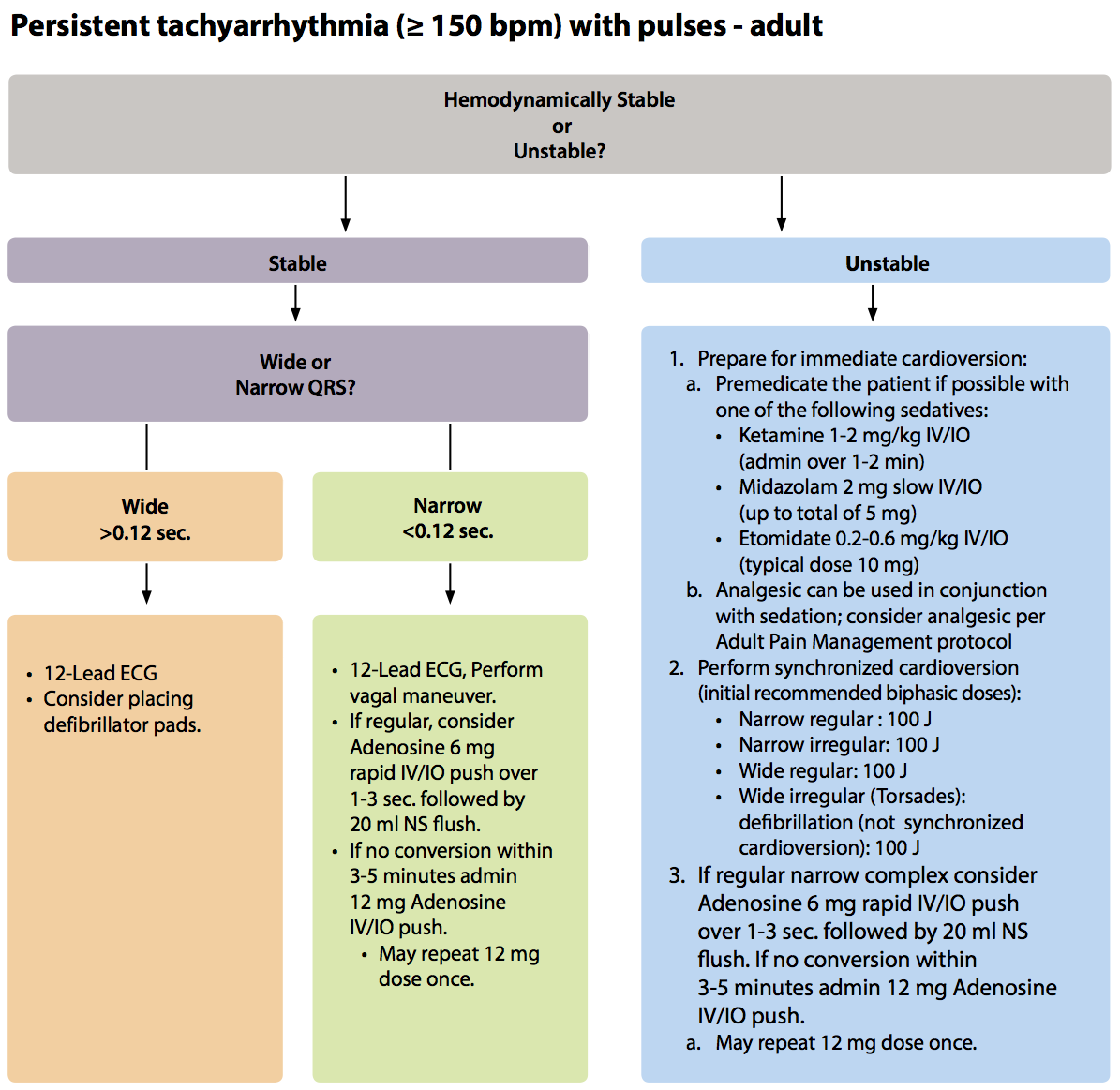
Adult Respiratory Protocols
Protocol 3310
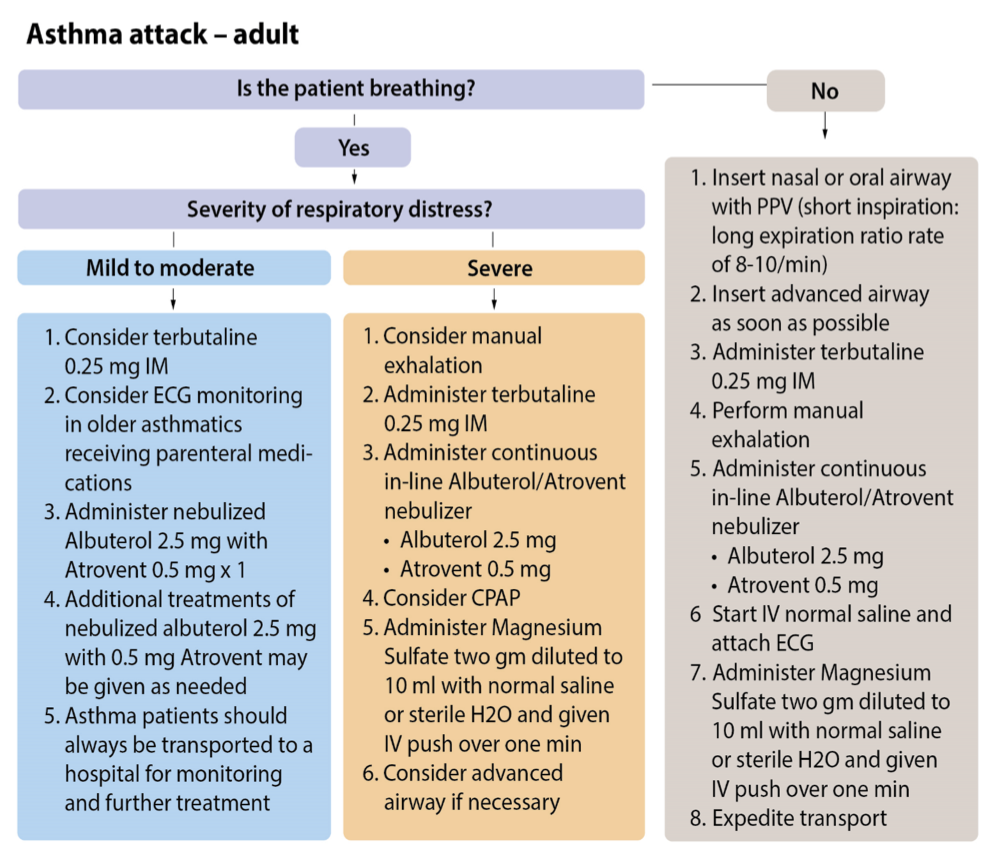
Adult Respiratory Protocols
Protocol 3320
If the patient has a history of COPD and is symptomatic (presence of wheezing alone does not indicate COPD), en route to hospital, the following may be administered:
Adult Respiratory Protocols
Protocol 3330
To be used for patients with known or suspected transmittable respiratory illnesses in the presence of a known outbreak. This would include patients who have a febrile illness with cough. Examples include -
OR
OR
Adult Respiratory Protocols
Protocol 3340
To be used for patients with known or suspected transmittable respiratory illnesses in the presence of a known outbreak. This would include patients who have a febrile illness with cough. Examples include -
OR
Adult Respiratory Protocols
Protocol 3350
Adult Medical Protocols
Protocol 3410
OR
Adult Medical Protocols
Protocol 3420
AND/OR
Adult Medical Protocols
Protocol 3430
Adult Medical Protocols
Protocol 3440
Adult Medical Protocols
Protocol 3450
Adult Medical Protocols
Protocol 3460
Hennepin County EMS Units are equipped with Duodote (Atropine 2.1mg/Pralidoxime 600mg) kits primarily for treatment of responders. Chempack assets for mass casualty events can be activated via MRCC. Each Chempack treats up to 1000 patients using Mark 1 kits (same as Duodote but separate injectors for atropine and pralidoxime), Atropens (atropine for pediatric dosing), and diazepam auto- injectors for seizures.
Common cholinergic agents include: Carbamates (carbofuran (Fursban), etc.), Nerve gas agents (sarin, tabun, VX, etc.), and Organophosphates (parathion, diazinon, malathion, chlorpyrifos (Dursban), etc.).
OR
Adult Medical Protocols
Protocol 3470
OR
OR
Adult Medical Protocols
Protocol 3480
Adult Medical Protocols
Protocol 3490
Adult Medical Protocols
Protocol 3500
Adult Medical Protocols
Protocol 3510
Adult Medical Protocols
Protocol 3520
Adult Medical Protocols
Protocol 3530
Adult Medical Protocols
Protocol 3540
OR
OR
Adult Medical Protocols
Protocol 3550
If the patient has severe nausea and/or vomiting:
Adult Medical Protocols
Protocol 3560
Adult Medical Protocols
Protocol 3570
Pediatric General Protocols
Protocol 4001
Age limits for pediatric patients must be flexible. For patients less than 13 years of age, pediatric orders should always apply. Between the ages of 13 and 18 judgment should be used, although the pediatric orders will usually apply. It is recognized that the exact age of a patient is not always known.
Pediatric General Protocols
Protocol 4010
Pediatric General Protocols
Protocol 4020
Not every patient requires an IV. When indicated, intravenous fluid therapy should be administered in accordance with the following guidelines:
Pediatric General Protocols
Protocol 4030
This protocol is to be used to provide relief of pain when indicated for pediatric patients. This protocol is NOT to be used in cases where the patient meets any of the following:
Indications for use of Pain Management Protocol:
For patients experiencing pain outside the above listed indications consider:
PROCEDURE
OR
Pediatric Trauma Protocols
Protocol 4110
Pediatric Trauma Protocols
Protocol 4120
Pediatric Cardiac Protocols
Protocol 4210
Pediatric Cardiac Protocols
Protocol 4220
OR
OR
Pediatric Cardiac Protocols
Protocol 4230
Pediatric Cardiac Protocols
Protocol 4240
Includes:
Assess and support the patient’s ABCs, provide oxygen and ventilation, and attach the cardiac monitor/defibrillator.
Probable sinus tachycardia is defined as a QRS duration normal for the patient’s age (approximately less than or equal to 0.08 sec). An infant’s heart rate is usually less than 220 bpm; a child’s heart rate is usually less than 180 bpm. If hemodynamically unstable:
Probable ventricular tachycardia is defined as a QRS duration wide for the patient’s age (approximately greater than 0.08 sec). If hemodynamically unstable:
Probable supraventricular tachycardia is defined as a QRS duration normal for the patient’s age (approximately less than or equal to than 0.08 sec). An infant’s heart rate is usually greater than or equal to 220 bmp; a child’s heart rate is usually greater than or equal to 180 bpm. If hemodynamically unstable:
Pediatric Respiratory Protocols
Protocol 4310
OR
To be used in the field only if the patient’s condition is severe.
AND
Pediatric Respiratory Protocols
Protocol 4320
Pediatric Respiratory Protocols
Protocol 4330
OR if unable to administer via neb -
Pediatric Respiratory Protocols
Protocol 4340
Pediatric Medical Protocols
Protocol 4410
Pediatric Medical Protocols
Protocol 4420
Pediatric Medical Protocols
Protocol 4430
Hennepin County EMS Units are equipped with Duodote (Atropine 2.1mg/Pralidoxime 600mg) kits primarily for treatment of responders. Chempack assets for mass casualty events can be activated via MRCC. Each Chempack treats up to 1000 patients using Mark 1 kits (same as Duodote but separate injectors for atropine and pralidoxime), Atropens (atropine for pediatric dosing), and diazepam auto-injectors for seizures.
Common cholinergic agents include: Carbamates (carbofuran (Fursban), etc.), Nerve gas agents (sarin, tabun, VX, etc.), and Organophosphates (parathion, diazinon, malathion, chlorpyrifos (Dursban), etc.).
Pediatric Medical Protocols
Protocol 4440
OR
OR
Pediatric Medical Protocols
Protocol 4450
Pediatric Medical Protocols
Protocol 4460
Pediatric Medical Protocols
Protocol 4470
Pediatric Medical Protocols
Protocol 4480
Pediatric Medical Protocols
Protocol 4490
Pediatric Medical Protocols
Protocol 4500
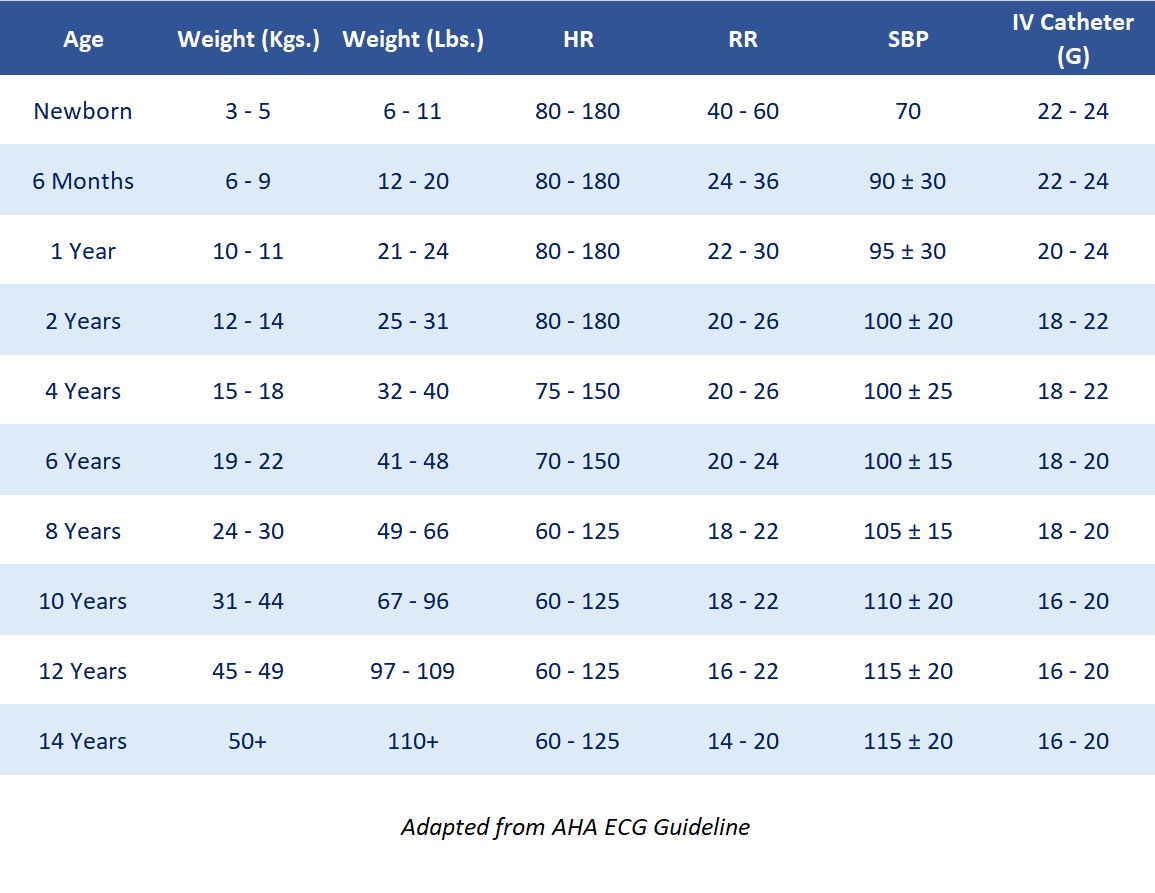
Signs/symptoms of shock include:
Pediatric Medical Protocols
Protocol 4510
Appendicies
Protocol 9010
Appendicies
Protocol 9020
Appendicies
Protocol 9030
The LSP Automatic Ventilator (AutoVent 3000) timed-cycled, constant-flow, gas-powered ventilator offers controlled ventilation at 8 to 20 breaths per minute. The attached Patient Valve Assembly allows a patient to draw supplemental gas flow (up to 36 LPM) with spontaneous effort. Designed for transport and emergency medical use, the AutoVent 3000 delivers from 200 to 1200 mL in volume and flow rates from 12 to 36 liters per minute. Operating power is obtained from standard 50 psi source gas.
The intended use is for patients that are intubated for reasons unrelated to primary cardiopulmonary problems. It can replace manual Bag-Valve-Mask ventilation and can be attended to by non-RT personnel as appropriate.
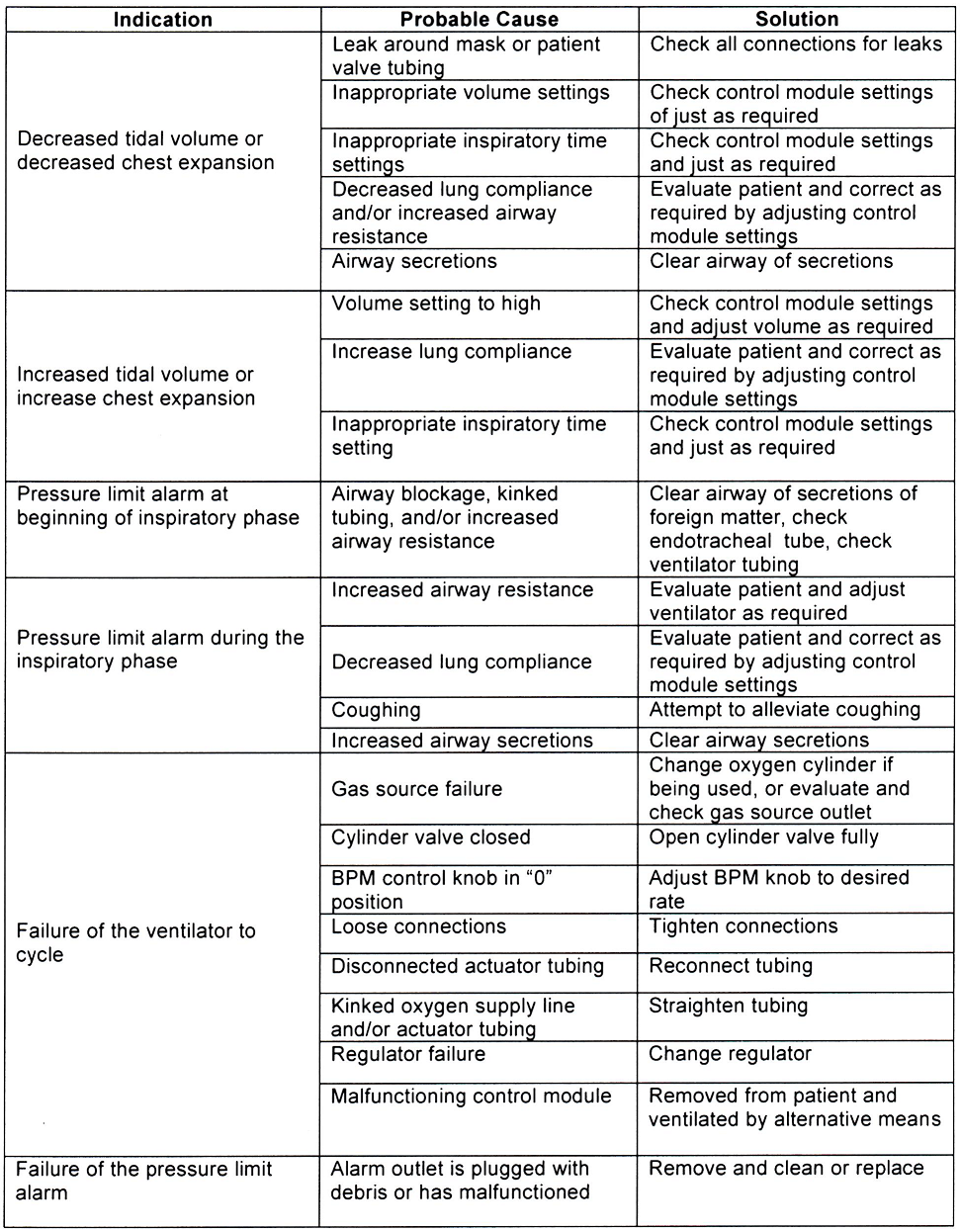
Autovent 3000 Troubleshooting Guide
Appendicies
Protocol 9040
Continuous Positive Airway Pressure has been shown to rapidly improve vital signs, gas exchange, and the work of breathing, decrease the sense of dyspnea, and decrease the need for endotracheal intubation in patients who suffer respiratory distress from asthma, COPD, pulmonary edema, CHF, and pneumonia. In patients with CHF, CPAP improves hemodynamics by reducing preload and afterload.
Any patient who is complaining of shortness of breath for reasons other than trauma and:
Appendicies
Protocol 9050
Appendicies
Protocol 9060
The ENDOTRACHEAL TUBE INTRODUCER (ETTI - aka bougie or Eschmann) is a semi-rigid device used to facilitate oral tracheal intubation. It has a "hockey stick" end that eases insertion into the trachea even with sub-optimal visualization. The endotracheal tube is then passed over the ETTI into the trachea.
Incomplete visualization of the glotic opening during laryngoscopy for endotracheal intubation.
Not to be used with endotracheal tubes less than 5.5 mm diameter.
Excessive force or passage beyond the carina may result in soft tissue damage or rupture of the bronchus.
OR
The introducer is in the esophagus.
Appendicies
Protocol 9070
The Res-Q-POD is a single use device that enhances circulation during cardiopulmonary resuscitation by selectively impeding the inflow of respiratory gases during the recoil phase of chest compressions.
Appendicies
Protocol 9080
OR
Appendicies
Protocol 9090
OR
Appendicies
Protocol 9100
Appendicies
Protocol 9110
Appendicies
Protocol 9120
Appendicies
Protocol 9130
Appendicies
Protocol 9140
These standing orders will be used to provide the best pre-hospital care to the greatest number of people during an extreme situation. They will only be put into place when resources are defined by the system as “Level Red,” which means EMS services are pending or not answering calls for which there is a significant risk of death for the patient. They do not supersede other protocols. You will be notified when this status is in effect.
Our ethical commitments are:
When an ambulance arrives on scene during “Level Red” status, instead of automatically offering transport to an emergency department, as under normal practice, you will assess the patient’s objective condition and triage him/her into the following categories:
 |
Provide homecare information. |
 |
Refer to a clinic or other medical destination. |
 |
Refer to use of alternate transportation to a hospital, clinic or other medical destination. |
 |
Transport by (and at the descretion of) law enforcement. |
 |
Transport by ambulance to a hospital or other medical destination. |
Standing Orders:
patients with the following presentations: |
1. Paramedic discretion - suspicion of critical injury/illness. |
|
2. Altered vital signs (or age-specific abnormal vital signs,) including any one of these:
|
|
3. Breathinhg:
|
|
4. Circulation/Shock:
|
|
5. Neurologic:
|
|
6. Trauma:
|
When resources during a Pandemic are “Level Red,” consider patients with the following presentations for:
-
Note that many "transport by ambulance" patients will not require emergency transport to the hospital – in which case, the crew may answer
additional calls until the ambulance is full, or a critical patient is picked up, depending on system call volumes. or
police to clinic or hospital. Except in very limited cases, the patient should NOT self - transport to the hospital/clinic, but
could be driven by someone else. - Give patient the homecare form for their
complaint and advise to contact personal medical provider if symptoms persist or worsen. The form will have information pertaining to
their complaint and list ways of caring for themselves, as well as what to look for that would prompt self-transport to a clinic or
hospital, or transport via ambulance to the hospital. Advise the patient that this does not restrict them from seeking care at a clinic
or hospital on their own, should
they desire. |
|
| to
|
|
|
|
|
|
| to
OR
|
|
|
|
| OR
|
|
|
|
|
|
| OR
OR
|
|
| OR
|
|
|
|
| to
|
|
|
|
|
|
|
|
|
|
|
|
|
|
|
|
| to
OR
|
|
| OR
|
|
|
|
|
|
| OR
|
|
|
|
|
|
|
|
|
|
|
|
| OR
to
|
|
|
|
|
|
| OR
to
|
|
|
|
|
|
|
|
|
|
| or
|
|
|
|
|
|
|
|
|
|
|
|
|
|
|
|
| to
OR
|
|
| or
to
OR |
|
|
|
|
Appendicies
Protocol 9150
Medication Reference
| Generic Name | adenosine IV |
| Trade Name | Adenocard IV |
| Classification | Antiarrhythmics |
| Indications | To convert acute PSVT to normal sinus rhythm. Includes PSVT associated with accessory bypass tracts (Wolff-Parkinson-White syndrome.) |
| Contraindications | Patients with hypersensitivity to the drug. Those in second or third degree heart block, sick sinus syndrome, or symptomatic bradycardia. |
| Adverse Effects | Chest pain, dizziness, dyspnea and/or shortness of breath, facial flushing, headache, lightheadedness, blurred vision, nausea, metallic taste, and numbness. More serious symptoms are persistent arrythmias, and bronchospasm. |
| Precautions | Could produce bronchoconstriction in patients with asthma. Patients who develop high level heart block after a single dose should not receive additional doses. Use with caution in patients receiving digoxin and verapamil in combination. Theraputic levels of theophylline and methylxanthines affect the response of adenosine. Dipyridamole potentiates its effect. |
| Concentration(s) | 3 mg per 1 mL |
Medication Reference
| Generic Name | albuterol sulfate Inhalation Solution, 0.083% |
| Trade Name | Ventolin |
| Classification | Bronchodilators |
| Indications | Indicated for the relief of bronchospasm in patients two years of age and older with reversible obstructive airway disease and acute attacks of bronchospasm. |
| Contraindications | Hypersensitivity to the drug. |
| Adverse Effects | Tachycardia, hypertension, bronchospasm, bronchitis, nasal congestion, tremors, dizziness, nervousness, headache, and sleeplessness. |
| Precautions | Used with caution in patients with cardiovascular disorders, especially coronary insufficiency, cardiac arrhythmias and hypertension. MAO inhibitors, tricyclic antidepressants, may potentiate action on CV system. Propranolol and other beta blockers inhibit the effect of albuterol. |
| Concentration(s) | 2.5 mg in 3 mL |
Medication Reference
| Generic Name | tetracaine hydrochloride |
| Trade Name | Altacaine, Tetcaine, TetraVisc, TetraVisc Forte |
| Classification | Topical anesthetic agent |
| Indications | Ophthalmic procedures in which it can provide good local anesthesia (flushing eyes out after chemical injury.) |
| Contraindications | Hypersensitivity to the drug. |
| Adverse Effects | Hypersensitivity reactions, conjunctival redness, transient eye pain, and lacrimation or increased winking. A hyperallergic corneal reaction may occur which includes an acute diffuse epithelial keratitis. |
| Precautions | Should be used cautiously in patients with cardiac disease, or hyperthyroidism. Prolonged use may produce permanent corneal opacification with loss of vision. |
| Concentration(s) | 0.5% in 4 mL ampule |
Medication Reference
| Generic Name | amiodarone hydrochloride |
| Trade Name | Cordarone |
| Classification | Antiarrhythmics |
| Indications | Used in a wide variety of atrial and ventricular tachyarrhythmias and for rate control of rapid atrial arrhythmias in patients with impaired LV function when digoxin has proven ineffective. |
| Contraindications | Marked sinus bradycardia due to severe sinus node dysfunction, second-or third-degree AV block, syncope caused by bradycardia (except when used with a pacemaker). Cardiogenic shock. Lactation. |
| Adverse Effects | Cough and progressive dyspnea. Worsening of arrhythmias, symptomatic bradycardia, sinus arrest, SA node dysfunction, CHF edema, hypotension, cardiac conduction abnormalities, cardiac arrest, abnormal involuntary movements, headache, nausea and vomitting, abdominal pain, flushing, and shock |
| Precautions | May produce vasodilation and hypotension. May have negative inotropic effects. May prolong QT interval. Do not routinely use with other drugs that prolong QT interval. Use with caution if renal failure is present. |
| Concentration(s) | 50 mg per 1 mL |
Medication Reference
| Generic Name | acetylsalicylic acid |
| Trade Name | Aspirin ASA, Ecotrin |
| Classification | Antiplatelet effect, nonnarcotic analgesic, antipyretic. |
| Indications | Suspicion of cardiac ischemia. |
| Contraindications | Hypersensitivity to drug. Patients with active ulcer disease. Pediatric patients. |
| Adverse Effects | Bleeding gums, signs of GI bleeding, and petechiae. Aspirin will increase bleeding time. |
| Precautions | Use with caution in patients with GI lesions, impaired renal function, hypoprothrombinemia, vitamin K deficiency, thrombocytopenia, or severe hepatic impairment. |
| Concentration(s) | 81 mg per tablet |
Medication Reference
| Generic Name | atropine sulfate IV |
| Trade Name | Atropine IV |
| Classification | Antiarrhythmic, anticholinergic, antidote. |
| Indications | Treatment of symptomatic sinus bradycardia or atrioventricular block at the nodal level. Usually not effective when infranodal block suspected. Second drug for asystole or PEA. |
| Contraindications | Hypersensitivity to the drug, unstable cardiovascular status, myocardial ischemia, glaucoma, and obstructive disease of the GI or GU tracts. |
| Adverse Effects | Postural hypotension, blurred vision, dryness of the mouth, GI reflux, nausea, vomiting, paralytic ileus, tachyarrhythmias, and urinary retention. |
| Precautions | Use with caution in presence of myocardial ischemia and hypoxia. Avoid in hypothermic bradycardia. Usually not effective in second degree block type II and third degree blocks with wide QRS complexes. Antacids decrease absorption of med. |
| Concentration(s) | 0.1 mg per 1 mL |
Medication Reference
| Generic Name | ipratropium bromide |
| Trade Name | Atroven |
| Classification | Bronchodilators |
| Indications | Either alone or with other bronchodilators, especially beta andrenergics is used for treatment of bronchospasm associated with chronic obstructive pulmonary disease, including asthma chronic bronchitis and emphysema. |
| Contraindications | Hypersensitivity to the drug, Atropine and its derivatives, and those with a history of hypersensitivity to soy lecithin or related food products such as soybeans and peanuts. |
| Adverse Effects | Dizziness, headache, nervousness, palpitations, hypertension, cough, blurred vision, rhinitis, epistaxis, GI distress, chest pain, flu-like symptoms. |
| Precautions | Use cautiously in patients with angle-closure glaucoma, prostatic hyperplasia, and bladder-neck obstruction. Avoid leakage around the face mask, temporary blurring of vision or eye pain may occur. |
| Concentration(s) | 0.5 mg in 2.5 mL |
Medication Reference
| Generic Name | diphenhydramine hydrochloride |
| Trade Name | Benadryl IV |
| Classification | Antihistamine, antidyskinetic, antiemetic, antivertigo agent, sedative-hypnotic. |
| Indications | Supplemental therapy to epinephrine in anaphylaxis and other uncomplicated allergic reactions requiring prompt treatment. |
| Contraindications | Hypersensitivity to the drug, during acute asthmatic attacks, in newborns, and premature neonates. |
| Adverse Effects | Palpitations, hypotension, tachycardia, confusion, insomnia, headache, vertigo, restlessness, tremor, seizures, blurred vision, nausea and vomiting, and anaphylactic shock. |
| Precautions | Use with extreme caution in patients with prostatic hyperplasia, asthma or COPD, increased intraocular pressure, hyperthyroidism, CV disease, or hypertension. Avoid SC or perivascular injection. Potential CNS depression when used in the presence of sedating medications, alcohol, or other illicit substances. |
| Concentration(s) | 50 mg per 1 mL |
Medication Reference
| Generic Name | calcium chloride 10% |
| Trade Name | Calcijex |
| Classification | Antihyperkalemic, antihypermagnesemic, cardiotonic, antihypocalcemic. |
| Indications | Known or suspected hyperkalemia (e.g., renal failure), Hypocalcemia (e.g., after multiple blood transfusion, and as an antidote for toxic effects (hypotension and arrhythmias) from calcium channel blocker overdose or B-Adrenergic blocker overdose. |
| Contraindications | Hypersensitivity to the drug, digitalized patients, hypercalcemia, ventricular fibrillation. |
| Adverse Effects | May cause bradycardia, cardiac arrest, metallic, calcium or chalky taste, prolonged state of cardiac contraction, sense of oppression, or tingling sensation, especially with a too-rapid rate of administration. (Overdose) nausea and vomiting, coma, and sudden death. |
| Precautions | Do not use routinely in cardiac arrest; do not mix with Sodium Bicarbonate. Three times more potent then calcium gluconate. For IV use only. |
| Concentration(s) | 100 mg per 1 mL |
Medication Reference
| Generic Name | D-glucose or glucose |
| Trade Name | Dextrose IV |
| Classification | Nutritional (carbohydrate). |
| Indications | Diabetics who are unable to take oral fluids due to altered level of consciousness and low blood glucose. |
| Contraindications | Delirium tremens with hydration, diabetic coma while blood sugar is excessive, hepatic coma intracranial or intraspinal hemorrhage, glucose-galactose malabsorption syndrome. |
| Adverse Effects | Pulmonary edema, exacerbated hypertension, heart failure, (fluid overload-congested states), hyperglycemia, (during infusion), hyperosmolar syndrome (mental confusion, loss of consciousness), hypokalemia, reactive hypoglycemia (after infusion) |
| Precautions | Use with caution in patients with cardiac or pulmonary disease, hypertension, renal insufficiency, urinary obstruction, or hypovolemia. Avoid extravasation which may cause tissue sloughing, necrosis, and phlebitis. |
| Concentration(s) | 500 mg per 1 mL (0.5 GRAMS per 1 mL) |
Medication Reference
| Generic Name | epinephrine hydrochloride |
| Trade Name | Adrenalin |
| Classification | Cardiac stimulant, bronchodilator, antiallergic, and vasopressoR. |
| Indications | Cardiac arrest: VF, pulseless VT, asystole, pulseless electrical activity. Anaphylaxis, severe allergic reactions, and profound bradycardia or hypotension. |
| Contraindications | Patients with angle-closure glaucoma, shock (other than anaphylactic shock), organic brain damage, cardiac dilation, coronary insufficiency, cerebral arteriosclerosis or labor and delivery. Do not use to treat overdose of adrenergic blocking agents. |
| Adverse Effects | Nervousness, tremor, headache, agitation, dizziness, weakness, cerebral hemorrhage, palpitations, hypertension, tachycardia, anginal pain, nausea and vomiting, and dyspnea. |
| Precautions | High doses do not improve survival or neurologic outcome and may contribute to postresuscitation myocardial dysfunction. Raising blood pressure and increasing heart rate may cause myocardial ischemia, angina and increased myocardial oxygen demand. Higher doses maybe required to treat poison/drug-induced shock. Do not use concurrently with Brevibloc. The effects of the drug maybe potentiated by tricyclic antidepressants. |
| Concentration(s) | 1 mg per 1 mL for 1:1000 (30 mL vial)||||| - ||||| 0.1 mg per 1 mL for 1:10,000 (pre-filled syringe) |
Medication Reference
| Generic Name | fentanyl |
| Trade Name | Duragesic, Subsys, Abstral |
| Classification | Opioid Analgesic |
| Indications | Control of pain associated with musculoskeletal pain. |
| Contraindications | Hypersensitivity to fentanyl or other fentanyl analogues. May cause muscle rigidity (including muscles of respiration) if given in high dose or too rapidly. |
| Adverse Effects | CNS: CNS depression; CV: hypotension, bradycardia; GI/GU: vomiting, nausea, diarrhea; Resp: Respiratory depression, apnea, depressed C02 sensitivity. |
| Precautions | May cause muscle rigidity (including muscles of respiration) if given in high dose or too rapidly. |
| Concentration(s) | 50 mcg per 1 mL |
Medication Reference
| Generic Name | glucagon |
| Trade Name | GlucaGen |
| Classification | Antihypoglycemic, antidote, and diagnostic agent. |
| Indications | Treatment of severe hypoglycemia, helpful in reversing adverse beta-blockade of beta-adrenergic blocking agents and calcium channel blockers, diagnostic aid in radiologic exam of abdomen. |
| Contraindications | Known hypersensitivity to drug, and in patients with pheochromocytoma or with insulinoma (tumor of pancreas). |
| Adverse Effects | Hyperglycemia (excessive dosage), nausea and vomiting hypersensitivity reactions (anaphylaxis, dyspnea, hypotension, rash), increased blood pressure, and pulse; this maybe greater in patients taking beta-blockers. |
| Precautions | Give with caution to patients that have low levels of releasable glucose (e.g., adrenal insufficiency, chronic hypoglycemia, and prolonged fasting). Potentiates oral anticoagulants. Depletes glycogen stores especially in children and adolescents. |
| Concentration(s) | 1 mg per 1 mL |
Medication Reference
| Generic Name | haloperidol |
| Trade Name | Haldol |
| Classification | Antipsychotic |
| Indications | Psychotic disorders including manic states, drug-induced psychoses, and schizophrenia. Severe behavior problems in children (those with combative, explosive hyperexcitability not accounted for by immediate provocation). Short-term treatment of hyperactive children who show excessive motor activity with accompanying conduct consisting of impulsivity, poor attention, aggression, mood lability, or poor frustration tolerance. Control of tics and vocal utterances associated with Gilles de la Tourette's syndrome in adults and children. The decanoate is used for prolonged therapy in chronic schizophrenia. Investigational: Antiemetic for cancer chemotherapy, phencyclidine (PCP) psychosis, intractable hiccoughs, infantile autism. IV for acute psychiatric conditions. |
| Contraindications | Use with extreme caution, or not at all, in clients with parkinsonism. Lactation. |
| Adverse Effects | CNS: Sedation, drowsiness, lethargy, headache, insomnia, confusion, vertigo, seizures, neuroleptic malignant syndrome. Extrapyramidal symptoms, especially akathisia and dystonias, occur more frequently than with the phenothiazines. EENT: Blurred vision. GI: Dry mouth, anorexia, constipation, diarrhea, nausea, vomiting, dyspepsia. Other: Urine retention, menstrual irregularities, priapism, leukocytosis, altered liver function test results, rash, diaphoresis. |
| Precautions | IM dosage is not recommended in children. Geriatric clients are more likely to exhibit orthostatic hypotension, anticholinergic effects, sedation, and extrapyramidal side effects (such as parkinsonism and tardive dyskinesia). |
| Concentration(s) | 5 mg per 1 mL |
Medication Reference
| Generic Name | ketamine hydrochloride |
| Trade Name | Ketalar |
| Classification | Non-barbiturate anesthetic. |
| Indications | Severely agitated patient that poses an immediate threat to himself/herself or others and usual chemical or physical restraints may not be appropriate or safely used. |
| Contraindications | Ketamine is contraindicated in patients with any condition in which a significant elevation of blood pressure would be hazardous such as: severe cardiovascular disease, heart failure, severe or poorly controlled hypertension, recent myocardial infarction, history of stroke, cerebral trauma, intracerebral mass or hemorrhage. Also contraindicated for hypersensivity to the drug. |
| Adverse Effects | Psychological manifestations varying in severity between pleasant dream-like states, vivid imagery, hallucinations, nightmares or illusions and delirium. Other adverse effects include: Diplopia, nystagmus, blood pressure and pulse rate elevations, and local pain and exanthema at the injection site |
| Precautions | Barbiturates and Ketamine, being chemically incompatible because of precipitate formation, should not be injected from the same syringe. Use with caution in the chronic alcoholic and the acutely alcohol-intoxicated patient. The intravenous dose should be administered over a period of 60 seconds. More rapid administration may result in respiratory depression or apnea and enhanced pressor response. Resuscitative equipment should be ready for use. |
| Concentration(s) | 100 mg per 1 mL |
Medication Reference
| Generic Name | lidocaine hydrochloride IV |
| Trade Name | Xylocaine IV |
| Classification | Antiarrhythmic |
| Indications | Cardiac arrest from VF/VT (class II B) Stable VT, wide-complex tachycardias of uncertain type, wide-complex PSVT (class IIB). |
| Contraindications | Hypersensivity to the drug. Stokes-Adams syndrome, Wolff-Parkinson-White syndrome, severe degrees of SA, AV, or intraventricular block (when no pacemaker is present.) |
| Adverse Effects | Anaphylaxis, bradycardia, hypotension, cardiovascular collapse, seizures, malignant hyperthermia, respiratory depression, tremors, lightheadedness, confusion, tinnitus, blurred or double vision, and vomiting |
| Precautions | Prophylactic use in AMI patients is not recommended. Discontinue infusion immediately if signs of toxicity develop. Elderly clients who have hepatic or renal disease or who weigh less then 45.5 kg should be watched closely for adverse side effects. Do not add lidocaine to blood transfusion assembly. Potentiates amiodarone, beta-adrenergic blockers (Inderal) and Tagamet. Toxicity can occur due to reduced metabolism of lidocaine. |
| Concentration(s) | 20 mg per 1 mL |
Medication Reference
| Generic Name | Magnesium Sulfate heptahydrate |
| Trade Name | Magnesium Sulfate |
| Classification | Antiarrhythmic, electrolyte replenisher, and anticonvulsant. |
| Indications | Refractory VF (after lidocaine), torsades de pointes with a pulse, life threatening ventricular arrhythmias due to digitalis toxicity, adjunctive to alleviate bronchospasm in acute asthma, control of seizures in pregnancy, and control of hypertension in acute nephritis in children. |
| Contraindications | In the presence of heart block or myocardial damage, hypersensitivity to drug, and within 2 hours preceding delivery of PIH patient. |
| Adverse Effects | CNS depression, hypotension, circulatory collapse, depression of myocardium. Sweating, hypothermia, muscle paralysis, respiratory paralysis, suppression of knee jerk reflex, and changes in ECG, (increased PR interval, increased QRS complex, and prolonged QT interval). |
| Precautions | Morphine and Valium potentiate respiratory depression when given to patient receiving MgSO4. Calcium gluconate should always be available to treat possible respiratory depression due to MgSO4. Toxic level is >10 mg/dL. |
| Concentration(s) | 500 mg per 1 mL |
Medication Reference
| Generic Name | midazolam hydrochloride |
| Trade Name | Versed |
| Classification | Sedative-hypnotic, benzodiazepine, amnestic, anesthetic adjunct. |
| Indications | To produce sedation, relieve anxiety, and impair memory of procedural events. Used with or without narcotic for conscious sedation before short procedures. Also as a component in the induction of anesthesia before administration of other anesthetic agents, and for patients in status seizures. |
| Contraindications | Hypersensitivity to the drug, and acute narrow-angle glaucoma. Not recommended in pregnancy, childbirth, breast-feeding, shock, coma, acute alcohol intoxication with depression of vital signs. |
| Adverse Effects | Serious cardiorespiratory events (airway obstruction, apnea, hypotension, oxygen desaturation, respiratory and or cardiac arrest), paradoxical behavior or excitement. Other common side effects are coughing, headache, hiccups, nausea and vomiting, and nystagmus (especially in children). |
| Precautions | Use cautiously in patients with uncompensated acute illness and in elderly or debilitated patients. Administer slowly over at least 2 minutes. Use with caution in neonates. Versed does not protect against the intracranial pressure or against the pulse and blood pressure rise associated with intubation. Erythromycin may alter the metabolism of Versed. Oral contraceptives prolong the half-life. Sedative effects may be antagonized by theophylline. |
| Concentration(s) | 5 mg per 1 mL |
Medication Reference
| Generic Name | Morphine Sulfate |
| Trade Name | Morphine Sulfate (names may vary if preservative free) |
| Classification | Narcotic analgesic, adjunct, pulmonary edema. |
| Indications | Analgesic of choice in pain associated with myocardial infarction that is unresponsive to nitrates. Treatment of acute pulmonary edema associated with left ventricular failure, if blood pressure is adequate. Used for sedation, to decrease anxiety and facilitate induction of anesthesia. |
| Contraindications | Hypersensitivity to opiates, acute bronchial asthma, heart failure secondary to lung disease, upper airway obstruction, acute alcoholism, convulsive states, and paralytic ileus. |
| Adverse Effects | Seizures (with large doses), hypotension, bradycardia, cardiac arrest, or may see tachycardia, and hypertension. Nausea and vomiting, ileus, urine retention, respiratory depression and arrest, hypothermia, and increased intracranial pressure may also been seen. |
| Precautions | Causes hypotension in volume-depleted patients. Administer slowly and titrate to effect. May cause apnea in asthmatic patients. May also cause increase ventricular response rate in presence of supraventricular tachycardias. Use with caution in the elderly, head injuries with increased intracranial pressure, COPD, severe hepatic or renal disease. |
| Concentration(s) | 10 mg per 1 mL |
Medication Reference
| Generic Name | naloxone hydrochloride |
| Trade Name | Narcan |
| Classification | Narcotic (opioid) antagonist, Antidote. |
| Indications | Indicated for complete or partial reversal of known or suspected narcotic-induced respiratory depression and overdose. Antidote for natural and synthetic narcotics. Also indicated for the diagnosis of suspected opioid tolerance. |
| Contraindications | Hypersensitivity to the drug. The naloxone challenge test should not be performed in patients showing S/S of withdrawal or whose urine contains opioids. |
| Adverse Effects | May see VF, tachycardia, hypertension, nausea, vomiting, and diaphoresis, in higher doses. Tremors and withdrawal symptoms in narcotic-dependent patients. |
| Precautions | May precipitate acute withdrawal symptoms in narcotic addicts. Effects of drug may not outlast effects of narcotics. Use with caution in patients with cardiac disease or those receiving cardiotoxic drugs. It is ineffective against respiratory depression caused by barbiturates, anesthetics, other nonnarcotic agents, or pathologic conditions. |
| Concentration(s) | 0.4 mg per 1 mL |
Medication Reference
| Generic Name | nitroglycerin lingual spray |
| Trade Name | Nitroglycerin spray |
| Classification | Antianginal, coronary vasodilator, antihypertensive. |
| Indications | Initial antianginal for suspected ischemic pain. Drug of choice in unstable anginaor CHF associated with acute myocardial infarction, and suspected pulmonary edema when systolic blood pressure is greater than 140. |
| Contraindications | Hypersensitivity to nitrates, head trauma with increased intracranial pressure, hypotensive patients, severe bradycardia or tachycardia, RV infarction, Viagra within 24 hours, and severe anemia. |
| Adverse Effects | Headache, transient episodes of light-headedness related to blood pressure changes, hypotension, syncope, crescendo angina, rebound hypertension, and anaphylactoid reactions. Abdominal pain and vomiting may also be seen. |
| Precautions | Do not shake aerosol spray container because this affects metered dose. Patient should sit or lie down when taking this drug. Concomitant use of nitrates and alcohol may cause hypotension. Marked symptomatic orthostatic hypotension may occur when calcium channel blockers and oral controlled-release nitroglycerin are used in combination. |
| Concentration(s) | 0.4 mg per spray |
Medication Reference
| Generic Name | oral glucose |
| Trade Name | Glutose, Glucose Gel, Insta-Glucose, GlucoBurst |
| Classification | Antihypoglycemic |
| Indications | Hypoglycemia in a known diabetic with confusion or an altered level of consciousness. |
| Contraindications | Unconscious, unable to swallow, hypersensitivity to drug. |
| Adverse Effects | If ingested may cause irritation of the gastrointestinal tract, nausea, vomiting, and/or allergic reaction. |
| Precautions | Reassess mental status to determine if drug has had an effect. |
| How Supplied | Viscous gel or paste in a tube. |
| Dosage | 80 Gm per tube |
Medication Reference
| Generic Name | Sodium Bicarbonate |
| Trade Name | Sodium Bicarbonate |
| Classification | Electrolyte replenisher, alkalizing agent. |
| Indications | Metabolic acidosis caused by circulatory insufficiency resulting from shock or severe dehydration, severe renal disease, cardiac arrest, primary lactic acidosis, tricyclic overdoses, and hyperkalemia. |
| Contraindications | Patients with metabolic or respiratory alkalosis, patients losing chlorides by vomiting or GI suction, patients receiving diuretics known to produce hypochloremic alkalosis, and patients with hypocalcemia in which alkalosis may produce tetany, hypertension, seizures, or heart failure. |
| Adverse Effects | Gastric distention, belching, flatulence, hypokalemia, metabolic alkalosis, hypernatremia, hyperosmolarity, hyperirritability or tetany. Extravasation of IV Sodium Bicarbonate may cause chemical cellulitis with tissue necrosis. |
| Precautions | Not recommended for routine use in cardiac arrest patients. Sodium Bicarbonate inactivates norepinephrine, and dopamine, and forms a precipitate with calcium. Use with caution in the elderly with renal or cardiovascular insufficiency with or without CHF. |
| Concentration(s) | 1 mEq per 1 mL |
Medication Reference
| Generic Name | terbutaline sulfate |
| Trade Name | Brethine, Bricanyl |
| Classification | Sympathomimetic, (bronchodilator), Uterine relaxant. |
| Indications | Used for prevention and reversal of bronchospasm in patients with bronchial asthma and reversible bronchospasm associated with bronchitis and emphysema. |
| Contraindications | Patients with hypersensitivity to drug or sympathomimetic amines, cardiac arrhythmias with tachycardia or digitalis toxicity, uncontrolled hypertension, and any preexisting maternal medical conditions adversely affected by beta-mimetic drugs. |
| Adverse Effects | Paradoxical bronchospasm with prolonged usage, nervousness, tremor, drowsiness, headache, weakness, palpitations, tachycardia, heartburn, nausea, vomiting, and hypokalemia (with high doses). |
| Precautions | Use cautiously in patients with CV disorders, hyperthyroidism, diabetes, or seizure disorders. Drug is not recommended for children under 12 years of age because of insufficient clinical data. Protect ampule from light. Do not use if discolored. Significant changes in systolic and diastolic blood pressure may occur in some patients. |
| Concentration(s) | 1 mg per 1 mL |
Medication Reference
Medication Reference
| Generic Name | ondansetron |
| Trade Name | Zofran |
| Classification | Antiemetic |
| Indications | Severe Nausea and vomiting. |
| Contraindications | Hypersensitivity to any component of the preparation. |
| Adverse Effects | The most common reported adverse affects are headache, diarrhea, blurred vision, constipation, fever and fatigue. |
| Precautions | Very rarely and predominantly with intravenous ondansetron, transient ECG changes including QT interval prolongation have been reported. |
| Concentration(s) | 2 mg per 1 mL |